
Deload Week: When to Deload, How to Do It, and What to Track
A deload week is a planned easy week that helps you recover without losing momentum. Here is when to deload, 3 simple ways to do it, and what to track.
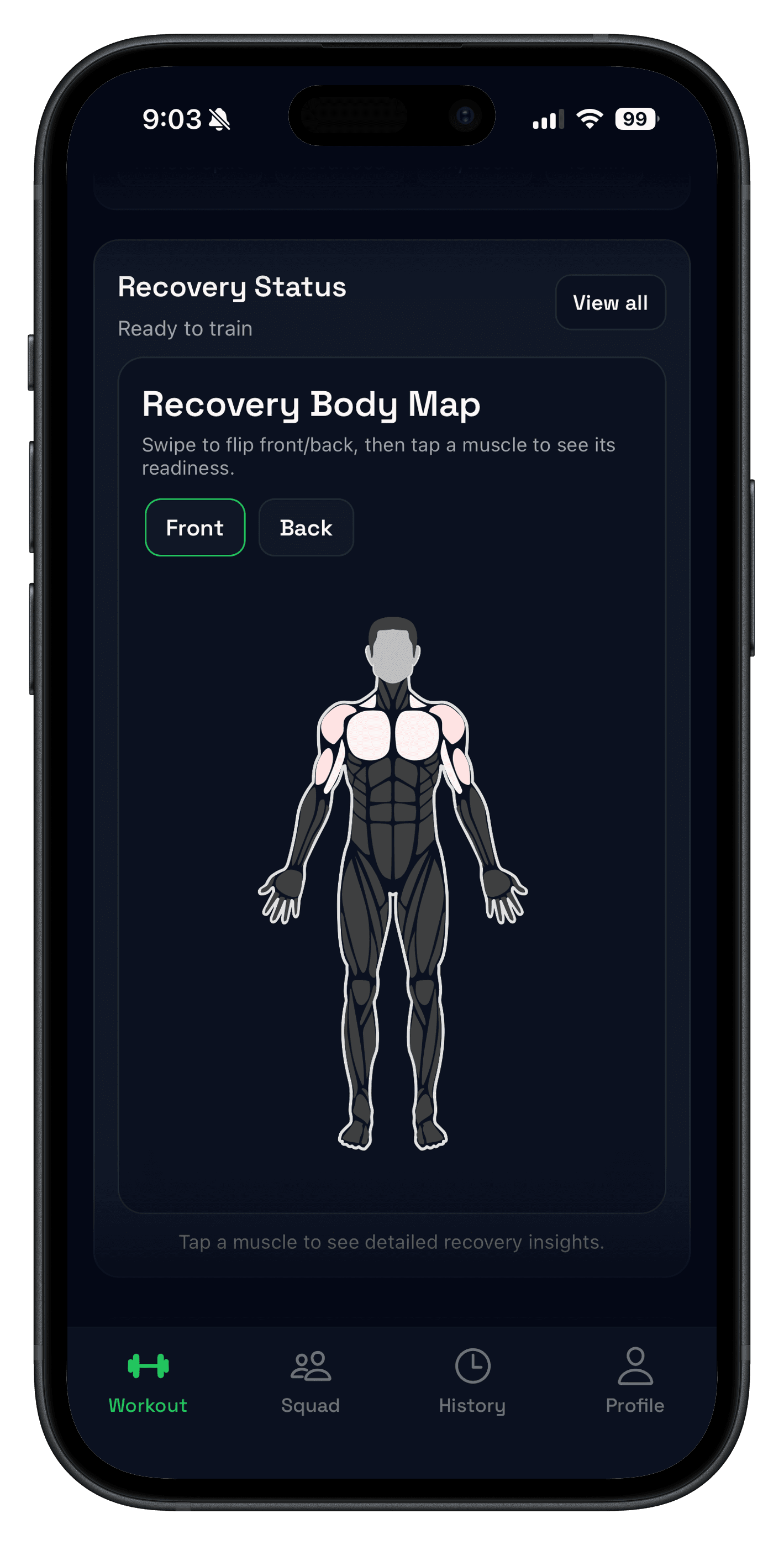
A deload week is a planned easy week (often 5-10 days) where you reduce training stress so fatigue drops and you can push hard again without grinding yourself down.
If warm-ups feel heavy, motivation is low, and the same weights feel harder than they should, a deload is often the cleanest way to get progress moving again. It is not “taking a week off.” It is training with a different goal: recovery, skill practice, and better output next week.
If you want a quick “train today or back off?” check first, start with our workout recovery readiness checklist.
Contents
- What a deload week is (and what it is not)
- When to deload (simple triggers)
- 3 deload methods that work
- Deload examples by training schedule
- What to track so the deload actually helps
- FAQs
What is a deload week?
A deload week is a short phase where you intentionally reduce one or more of the main drivers of fatigue:
- Volume (fewer hard sets)
- Intensity (lighter loads and/or more reps in reserve)
- Frequency (fewer training days)
Done right, a deload keeps you moving forward because you come back with better performance and cleaner signals for progressive overload. If you want a simple overload framework, read Progressive Overload Explained.
When should you deload?
Most lifters wait too long. The goal is to deload when fatigue is accumulating faster than you are adapting, not when you are already burnt out.
Consider a deload if two or more of these have been true for 7-14 days:
- Performance is stalling or slipping (same load feels harder, reps drop).
- Soreness lingers longer than normal.
- Sleep quality is worse than usual.
- Warm-ups feel heavy and you feel “flat” in the gym.
- Motivation is low, even for workouts you usually enjoy.
- You had one bad session but the week is otherwise fine.
- You are progressing normally (even slowly) and recovery feels stable.
- You missed sleep for a couple nights and just need a lighter day.
3 deload methods that work (pick one)
There are a hundred ways to deload. The best deload is the one you will actually do: simple, repeatable, and aligned with your program.
Keep your exercise list the same, but reduce hard sets by ~30-50%. Example: if you normally do 4 hard sets on bench, do 2-3. Keep reps smooth and stop further from failure than usual.
Keep sets similar, but drop load and effort. A practical target is training at RPE 6-7 (about 3-4 reps in reserve) on your main lifts.
Keep your best sessions and drop the least important one(s). This is great when life stress is high: you still train, but you buy recovery time with fewer total workouts.
Keep the movement patterns you care about (squat/hinge/push/pull), keep technique clean, and remove the grind. A deload should feel almost too easy.
Deload examples (by training schedule)
These examples assume you keep the same exercises and only change the dose. If you are also choosing a split, read Workout Splits: Pros, Cons, and What to Pick.
If you train 2-4 days per week
- Keep all sessions, but cut hard sets by ~30-50% and stop shy of failure (RPE 6-7).
- Keep one “anchor lift” per session (squat/bench/row, etc.) and make everything else easy and short.
- If you are busy, cut one session and keep the most important two.
If you train 5-6 days per week
- Reduce frequency: train 3-4 days instead of 5-6, and keep sessions lighter.
- Or keep frequency but cut volume hard: do 1-2 hard sets per exercise, then stop.
- Treat accessories as optional: if fatigue is high, skip them first.
What to track during a deload (so it actually helps)
The point of tracking is not to “win” the deload. It is to confirm that fatigue is dropping and that you are ready to push again.
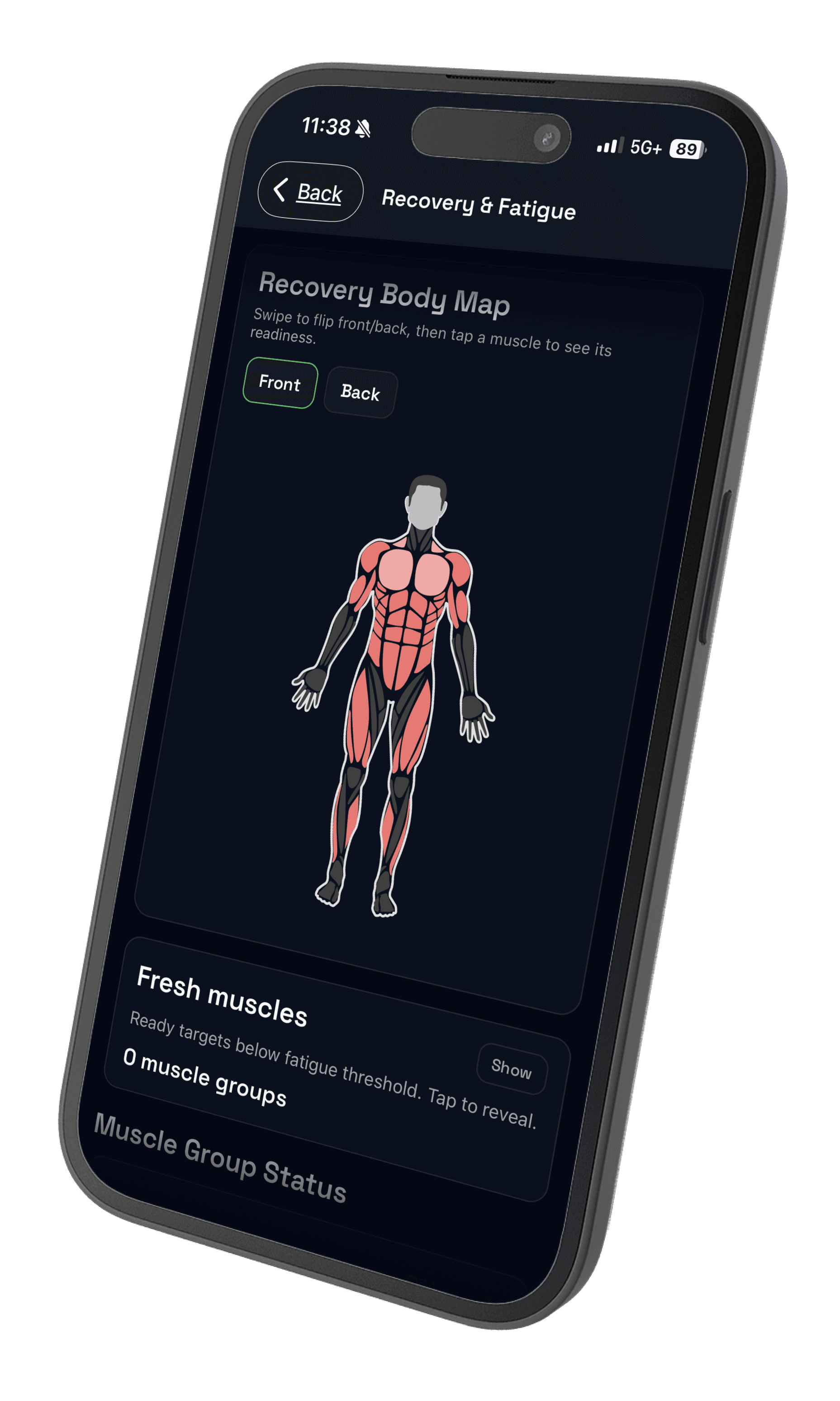
- Effort (RPE/RIR): deload sets should feel noticeably easier than normal.
- Volume: make the reduction obvious (fewer hard sets) so you can see it in your log.
- Performance quality: cleaner reps, better bar speed, fewer grinders.
- Recovery notes: sleep, soreness, stress, and any aches that calm down when load drops.
If you want a clean way to deload without rebuilding your entire plan, use workout templates plus previous workout values so you can keep the exercise list the same and adjust only the dose. Log effort with RIR & RPE tracking, and keep comparisons fair by holding rest consistent with rest timer controls.
FAQ
Frequently asked questions
Deloads are simple, but the details matter. These answers keep it clean.
How often should I take a deload week?
A common range is every 4-8 weeks, but it depends on how hard you train, how much volume you do, and how stable your recovery is. Instead of following a calendar blindly, use the 2-week rule: deload when fatigue signs stack up and performance stalls.
Should beginners deload?
Most beginners do not need frequent deloads because loads and total stress are lower. If you feel run down, it is often a sleep, schedule, or “too many hard sets” problem. A lighter week can still help, but it does not need to be complicated.
Is a deload the same as taking a week off?
Not usually. A week off can be useful when life is chaotic or you are truly exhausted, but a deload keeps the habit and technique sharp. If you want to keep momentum, deload first.
Will I lose strength or muscle during a deload?
No meaningful loss happens in a well-executed deload. You are still training, just with less stress. For most lifters, performance improves after a deload because fatigue drops and you can express your strength again.
Conclusion: the simplest deload plan
If you want a deload you can repeat forever, do this:
- Keep your normal exercise list.
- Cut hard sets by ~30-50%.
- Stop 3-4 reps shy of failure (RPE ~6-7).
- Sleep, eat, and walk like it matters (because it does).
Log the deload so your next hard week is a confident progression, not a guess. If you want a clean place to track deloads alongside your training history, Push/Pull makes it easy.