Fitness Goals That Stick: How to Set Goals, Track Progress, and Stay Motivated
A simple system for goals that actually work: pick the right target, track the few metrics that matter, and use reviews + wins to stay consistent.
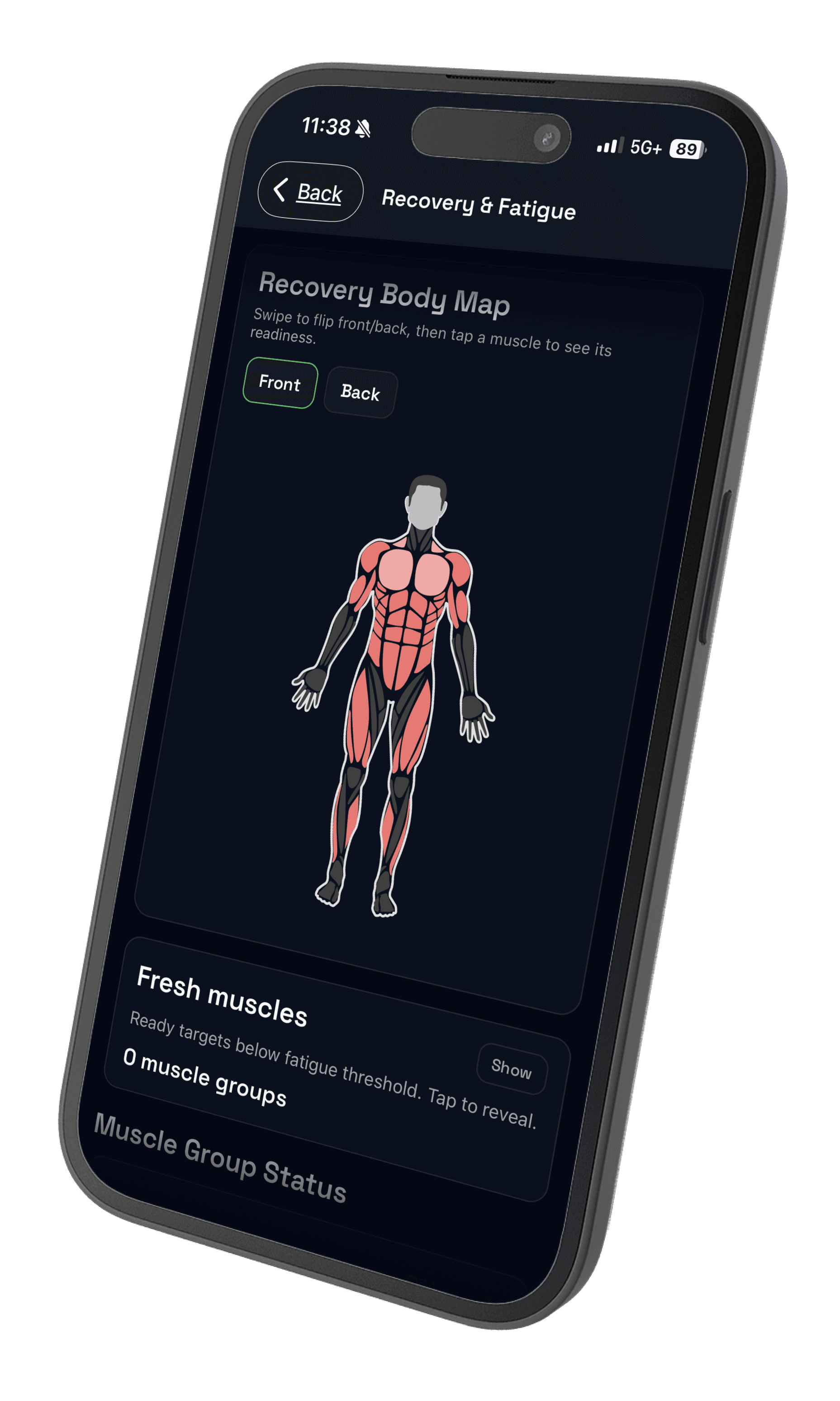
“Get in shape” is not a fitness goal. It is a vibe. Real goals are specific enough to measure, but simple enough to live with on busy weeks. If you want progress you can repeat, you need two things: clear targets and calm tracking.
This guide gives you a practical system to set fitness goals that stick, track progress without obsessing, and stay motivated using wins like achievements plus trend-style analytics (so you see what is actually changing over time).
If you want an all-in-one place to set goals, log training, and see progress clearly, Push/Pull includes goals, achievements, and analytics designed for lifters who want consistency without the noise.
If you want a simple tool to keep goals and training together, start with our workout log app guide.
Why most fitness goals fail (and what to do instead)
Most goals fail for boring reasons: they are vague, they change every week, or they rely on motivation. The fix is not “try harder.” The fix is a goal structure that survives real life.
- Outcome: what you want (the result).
- Performance: what you will improve (a lever you can train).
- Process: what you will do weekly (the habit that makes it happen).
This keeps your goal stable even when the scale fluctuates, a workout gets missed, or life throws a curveball. Outcome goals keep you pointed in the right direction. Process goals keep you moving.
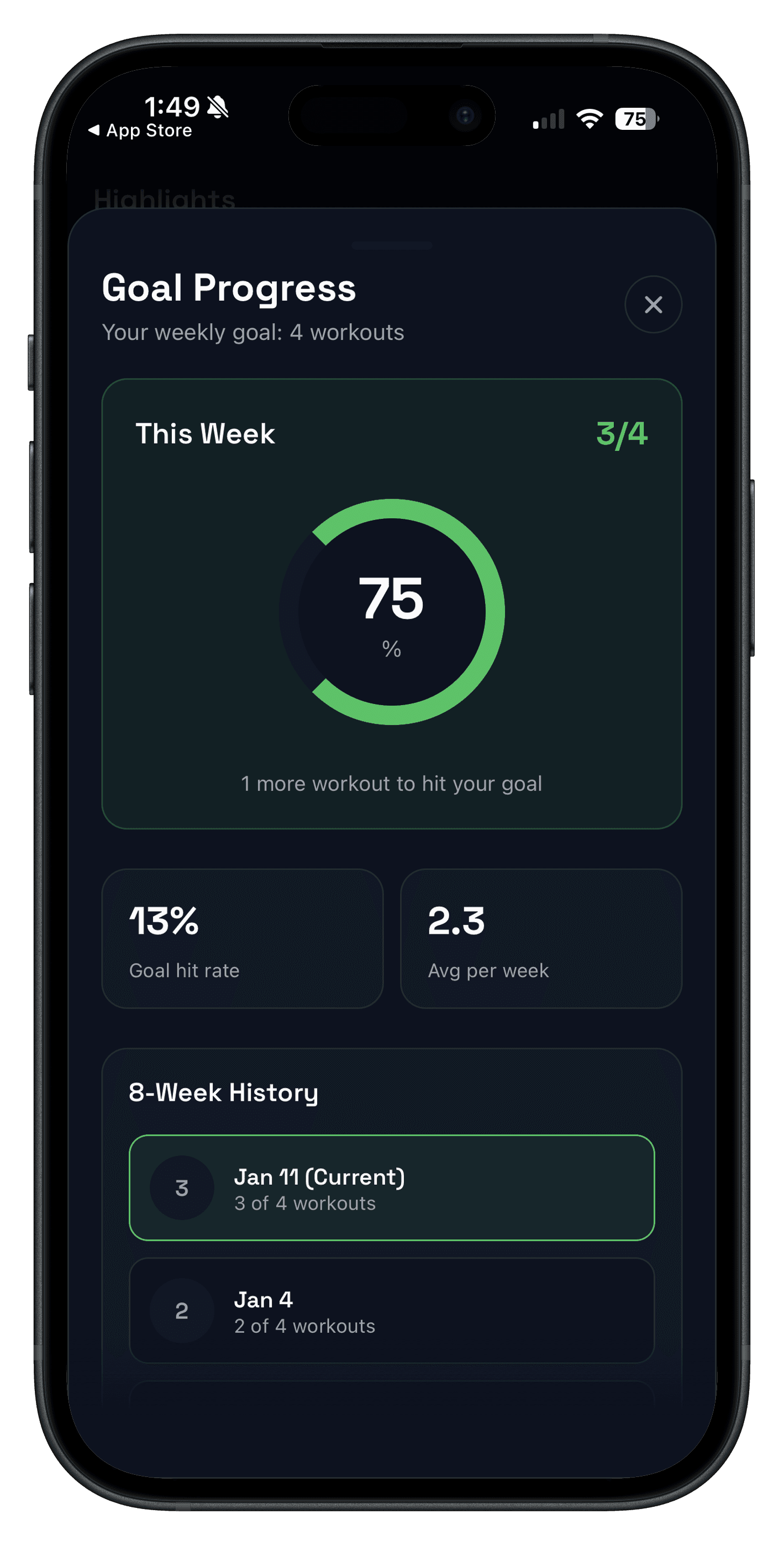
Step 1: pick a focus for the next 8–12 weeks
A good goal has a time box. Not because your body runs on calendars, but because constraints force clarity. Pick one primary focus for the next 8–12 weeks so your training, recovery, and tracking all point the same direction.
Strength focus
- Outcome: add 25 lb to your squat in 10 weeks.
- Performance: improve top set of 5 + back-off volume.
- Process: lift 3x/week, squat 2x/week, sleep 7+ hours most nights.
Body recomposition focus
- Outcome: drop 2–4% body fat by spring.
- Performance: keep strength flat or rising while staying in a small deficit.
- Process: train 3–4x/week, hit protein, take 8–10k steps on average.
Consistency focus
- Outcome: feel “back in routine” in 30 days.
- Performance: complete 12 workouts this month.
- Process: schedule 3 workouts/week with a 35-minute minimum viable session.
Step 2: track the minimum that proves progress
Tracking is not the goal. Tracking is the dashboard. If you track too little, you cannot adjust. If you track too much, you burn out. The sweet spot is “minimum viable data”: just enough to answer the question, am I moving in the right direction?
If your goal is strength
- Top sets for key lifts (weight × reps), plus one back-off set.
- RPE or “how hard it felt” if you use it (optional, not required).
- Weekly consistency: workouts completed.
If your goal is body composition
- Bodyweight trend (weekly average beats daily check-ins).
- Waist + one or two measurements that match your goal.
- Progress photos monthly (same lighting, same pose).
If your goal is “just be consistent”
- Workouts completed per week.
- One simple “did I show up?” note (energy, stress, or recovery).
Notice what is missing: perfect macro tracking, daily max tests, and any metric that makes you dread the process. You can always add detail later. Start with what you will actually keep doing.
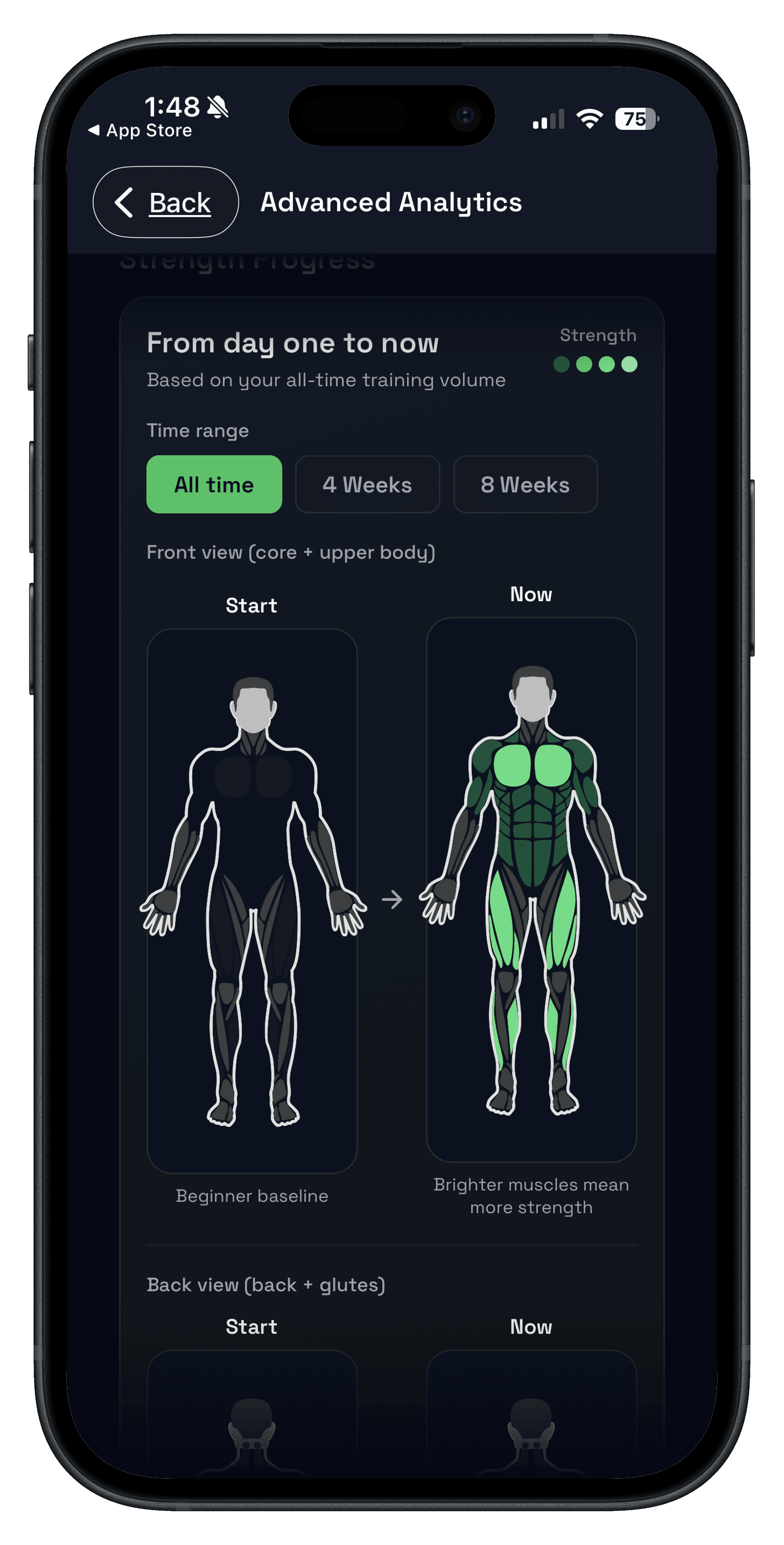
Step 3: do a 10-minute weekly review (then stop thinking)
The weekly review is the secret. It is where you convert logs into decisions. Everything else is just doing the work. Put a recurring reminder on your calendar and keep it short.
- Did I hit my process goal (sessions per week)?
- Did my key lift(s) move (reps, load, or cleaner technique)?
- Did my body trend move in the right direction (or stay stable, if that was the plan)?
- What is the smallest adjustment for next week (volume, sleep, steps, or schedule)?
If you change your plan every day, you never see whether your plan worked. Review weekly. Train daily. Keep the decision-making in one place.
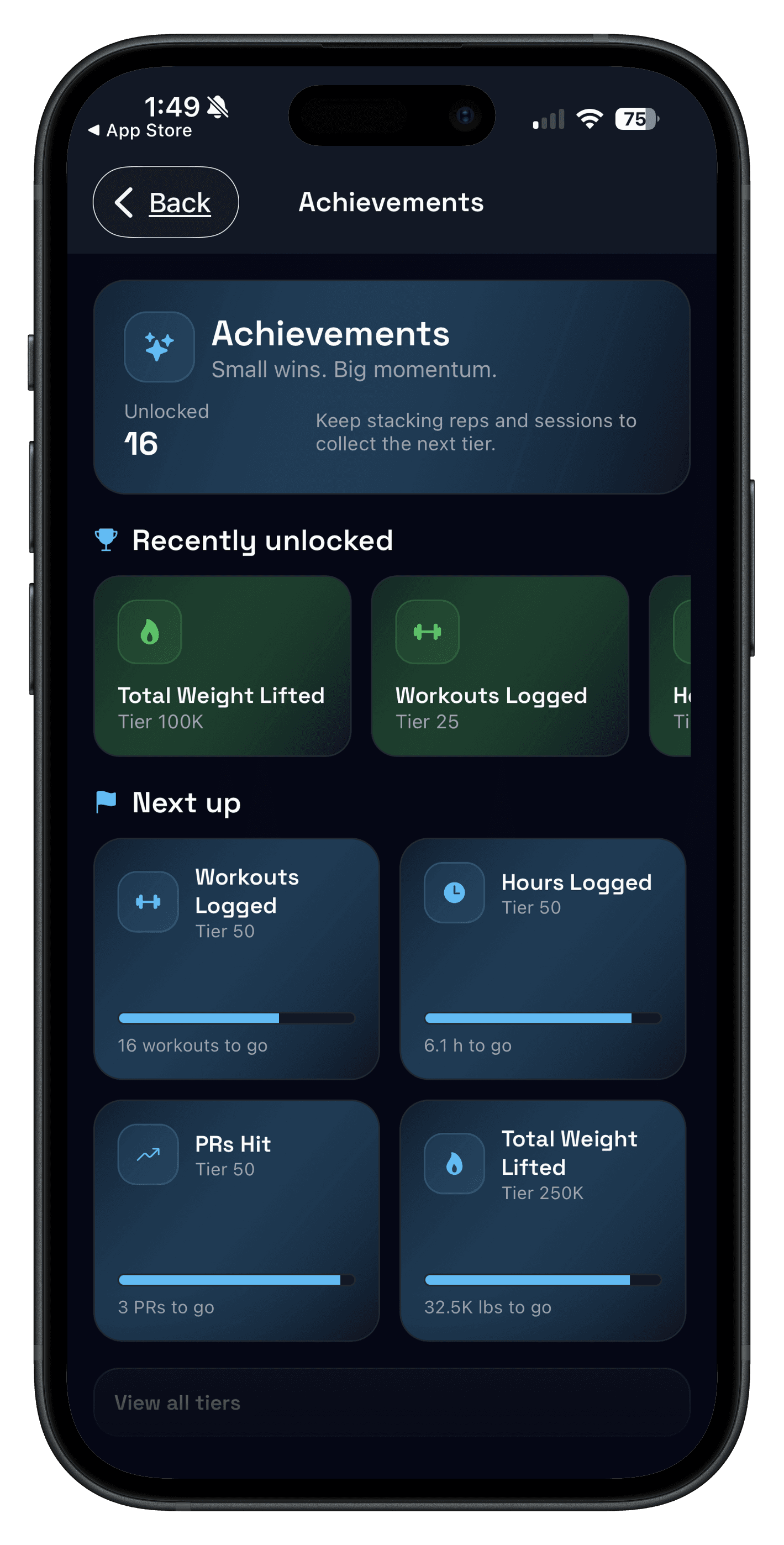
Use achievements as reinforcement, not a distraction
Achievements are powerful when they reinforce the right behaviors: showing up, logging, and hitting small milestones. They become a problem when they turn into random side quests that compete with your goal.
- Celebrate process wins (streaks, consistency, completed sessions).
- Celebrate performance wins (rep PRs, volume PRs) that support your goal.
- Ignore anything that changes your plan in a way you will not repeat.
Common mistakes to avoid
- Too many goals at once: one primary focus beats five competing priorities.
- Tracking everything: if it feels like homework, you will quit.
- No time box: goals need a review date so you can adjust without spiraling.
- All outcome, no process: the scale is a lagging indicator; habits are the engine.
A 5-minute setup you can do today
If you want a fast start, do this once and then let your training run for a week before you adjust anything.
- Pick one focus for 8–12 weeks (strength, body, or consistency).
- Write an outcome goal you can measure (date + number).
- Choose one performance lever (a lift, a weekly average, or a session count).
- Set a process goal you will hit even on busy weeks (2–4 sessions/week).
- Schedule a 10-minute weekly review.
If you want help with the training side, these posts pair well with goal setting: Workout Template, Workout Log, and Progressive Overload Explained.
Related reading
- How Often Should You Work Out to See Real Progress?
- Workout Apps: How to Choose the Best Workout App for Your Training
- Workout Recovery: Should You Train Today?
Set the goal. Log the work. See the trend.
Push/Pull is available now on the App Store. It is a clean workout tracker built for real progress: fast logging, goals, achievements, and analytics that make your next decision obvious.